november 2025


Education & Training
Stepping Into Enterprise Security: How Public Safety Professionals Can Stand Out and Land Their First Role
Three security leaders share their advice to public safety officers joining the private sector.
By Jordyn Alger
Managing Editor

kali9 / E+ via Getty Images

Many security leaders get their start in the public safety sphere. Just as often, they cite their experience in law enforcement, military or elsewhere as the foundation that led to their success in the industry.
While this has been — and continues to be — a reliable path for many, the current job landscape is presenting new, unique challenges for those looking to shift from public safety to enterprise security.
Jeremy Rodrigues, CPP, has undergone his own career transition and has insights into what obstacles public safety professionals may be facing. Having started his career in the United States Coast Guard, Rodrigues also worked for U.S. Customs and Border Protection and the U.S. Department of State's Bureau of Diplomatic Security. In 2016, he shifted to the private sector, holding security leadership roles at organizations including Boeing, Pratt & Whitney, and Excelerate Energy, and currently serves as Senior Director of Global Risk and Resilience at ŌURA, the wearable health technology company.
“Recent changes across the federal workforce — including downsizing and restructuring — have led to more professionals seeking opportunities in the private sector than in years past,” Rodrigues explains.
After speaking with Rodrigues about these challenges, I decided to reach out to two additional professionals who have successfully switched from public safety to enterprise security to discuss their career path and lessons learned. Edward Levy, Director of Critical Infrastructure at NOBLE-KD Analytical, spent 21 years as an active-duty U.S. Army Military Police Officer before taking his first private sector role, and Patrick McCormack, Director of Security at Saint Joseph's Medical Center/St. Vincent's Hospital Westchester Division, had a 30-year career as a law enforcement officer.
Levy shares that the greatest challenge during this period of transition was “learning the new organizations and their cultures and adapting from a military environment to a corporate setting.”
Patrick McCormack is Director of Security at Saint Joseph's Medical Center/St. Vincent's Hospital Westchester Division. Image courtesy of McCormack.

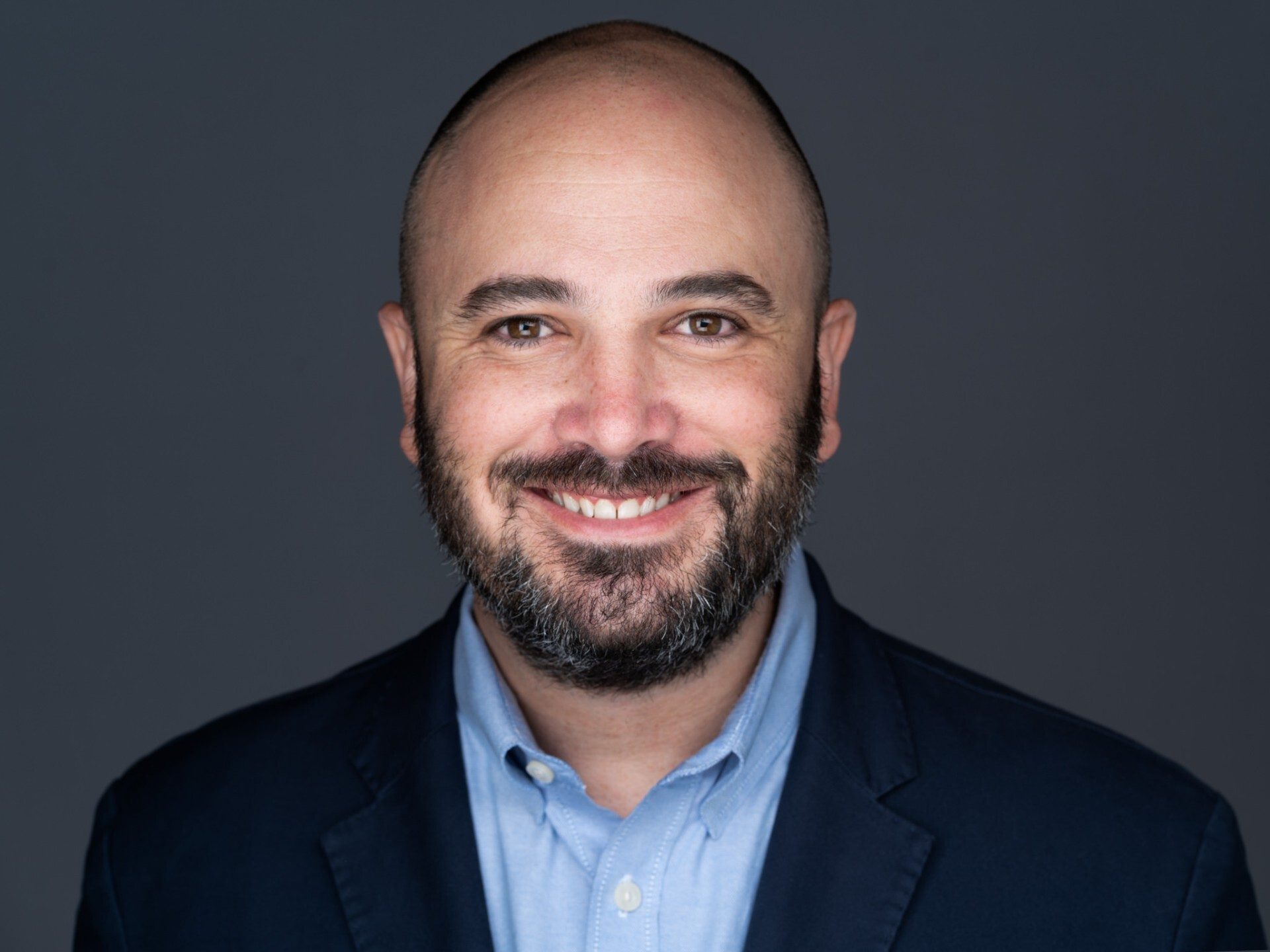
Edward Levy is Director of Critical Infrastructure at NOBLE-KD Analytical. Image courtesy of Levy.
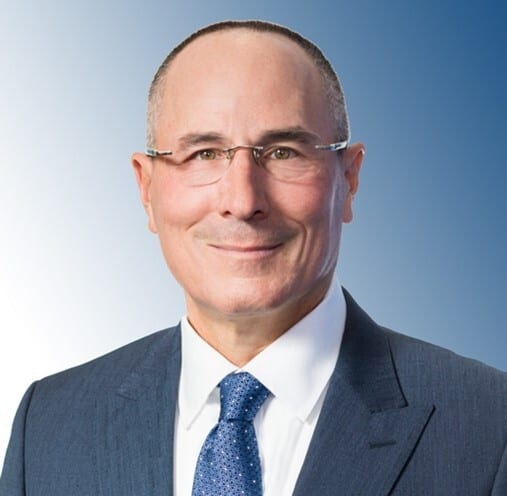
Jeremy Rodrigues, CPP, is Senior Director, Global Risk & Resilience at ŌURA. Image courtesy of Rodrigues.
I think that it’s advisable for people who are in the process of transitioning to think about their personal branding, to think about the specialties and professional experiences they’ve had, and to evaluate whether or not the combination of those experiences, certifications, and education is enough to set them apart from the competition.”
— Jeremy Rodrigues, CPP, Senior Director, Global Risk & Resilience at ŌURA.

McCormack seconds this notion, elaborating, “The majority of my daily work interactions during my police career were with other law enforcement officers. We were all trained at the same police academy; we thought the same and used the same tactics. At Saint Joseph’s Medical Center, I now have the opportunity to work with many different professionals and clinicians. Their positions are unique to our mission, and I have learned to remember this when we are implementing a new security policy or procedure.”
Adapting to a new culture is only one of the many adjustments a professional may face when first joining the private sector. When talking with professionals who have already made the jump, many said that if they could go back and do one thing differently, it would be to take more steps to prepare.
Rodrigues states, “If I could do it again, I’d spend more time on informational interviews to really understand private-sector opportunities — and I’d be more proactive about reaching out to people to build my network.”
In a time when the public sector to enterprise security pipeline is more crowded than usual, candidates that thoroughly prepare are more likely to stand out.
“Think carefully about your personal brand — the unique mix of experiences and skills that set you apart,” Rodrigues recommends. “Formal degrees and certifications can be valuable, but they aren’t necessary for everyone. What matters most is showing that you’re a continuous learner who’s staying current and developing in your field.”
McCormack reflects on the connections he leveraged to change the course of his career, stating, “My local connections with stakeholders and knowledge of crime conditions assisted me in making the change from the public sector to the private sector. Being able to reach out to law enforcement officials and local government entities whom I had built a relationship with throughout my police career was invaluable with my new security position.”
For those looking to take plunge, I asked these leaders what advice they could give.
Levy shares, “Think of it as starting over again. Learn from others. Recognize the importance of adapting to a new culture; build relationships across the board. There is a hierarchy, but decisions and decision processes are much more collegial.”
McCormack adds, “I would say ‘Go for it!’ We have so much to offer private sector entities coming from a law enforcement background. Speak to others in your field of interest who have already made the transition. I met and spoke with numerous police executives who retired and were working in security management positions for healthcare organizations. They were more than willing to assist, and they still help me now.”
“You can never start preparing too early,” advises Rodrigues. “Begin building your network and asking for informational interviews — that’s where real learning happens. The better you understand the private-sector landscape, the more confident you’ll feel when it’s time to make your move.”
While the shift from public safety to enterprise security may be more difficult now than in years past, preparation and persistence will go a long way to securing that first step into the private sector.
“Stay the course,” Levy encourages. “Learn and grow with your new organization and with internal opportunities. Give it a chance.”