june 2022


By Madeline Lauver, Assistant Editor
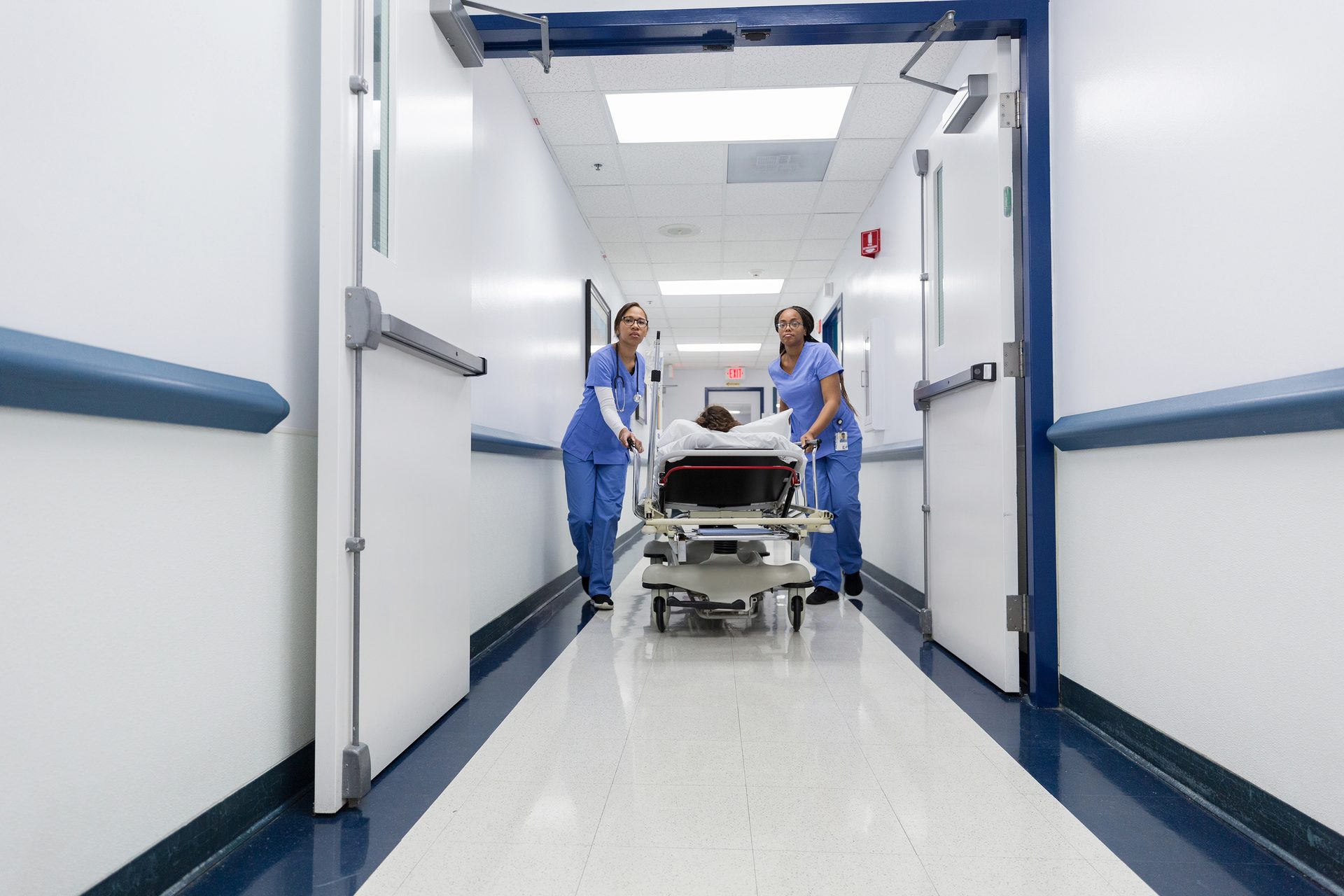
The COVID-19 pandemic led to healthcare infrastructure shifts, including an increase in security investments. With 19% of healthcare decision-makers placing a greater emphasis on security upgrades, security leaders aimed to protect their healthcare organizations with access control, perimeter security measures and expanded security plans.
The 2022 Allegion Health Care Trends Report identified a number of security upgrades that have been executed or are planned for the next 12 months. These ranged from standardizing door hardware to hiring security consultants and consolidating suppliers.
Instances of contracting facility management firms and installing security automation technology rose in 2021 compared to a previous study in 2016. When it comes to electronic access control, hospitals reported an increase in the technology as well, with 59% of respondents saying the security tool had been adopted in their surgical suites. The report also identified access control adoption in newborn/nursery facilities (47%), equipment rooms (45%) and executive offices and administration spaces (43%).
For more information on healthcare access control adoption, click here.
COVID-19 Impacted Healthcare Security Investments
SDI Productions / E+ via Getty Images
advertisement

advertisement
With news of supply chain failures around the globe, security leaders have acted to protect and assess the risk of their own supply chains. The interconnected nature of the global economy has led to shortages, asset loss and other supply chain security concerns.
The 2022 Annual Supply Chain Risk Report from Everstream analyzed up to 1,500 potential supply chain issues to identify five emerging trends in supply chain security.
1. Water Instability Leads to Security Threats
According to the United Nations, two-thirds of the global population will deal with water shortages by 2025. With droughts making headlines around the world, organizations that depend on water to operate may experience shortages, which can introduce ramifications further along the supply chain.
Water instability has the potential to particularly affect inland cargo ships, as instances of extreme heat and low rainfall have affected water levels in key waterways, such as the Rhine River and the Parana River, according to the report.
2. Seaports Struck by COVID-19 Outbreaks and Freight Bottlenecking
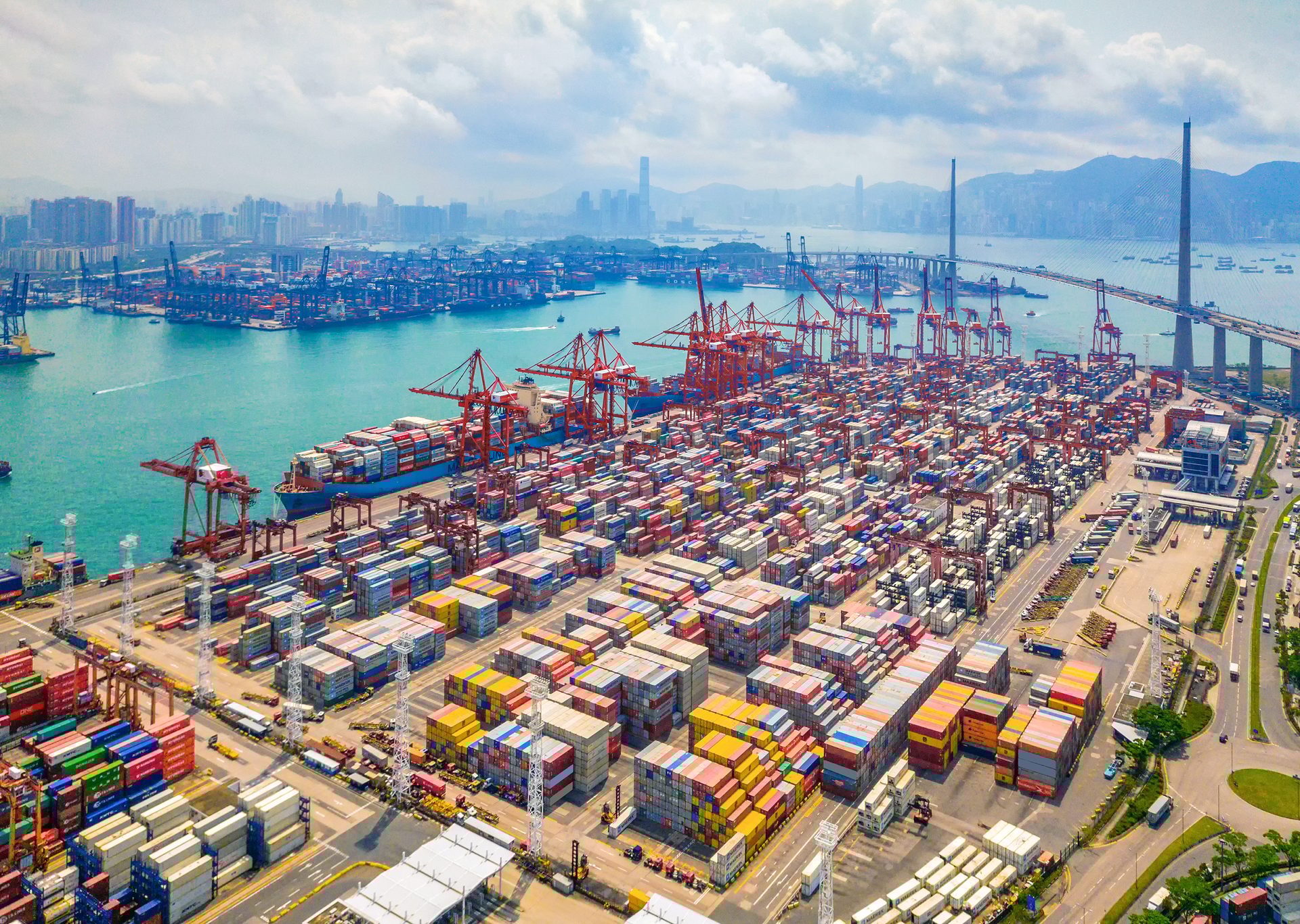
Congestion and delays will continue to affect ports and the ocean cargo industry, the report notes. Outbreaks of COVID-19 among port workers, high import volumes and yard traffic, and a chain reaction of delays due to rerouted ships are some of the top risks to supply chains.
The report highlights traffic congestion at the Ports of Los Angeles-Long Beach that spread to the nearby Port of Oakland and Port of Seattle as ships were rerouted to avoid delays.
3. The Great Resignation Threatens Supply Chains
Compounded by the COVID-19 pandemic, employees at high-risk workplaces have used protests and strikes to achieve higher pay and safer working conditions. As employers hold out or replace striking workers, they create shortages in asset production. According to the report, industrial strike actions increased in 2021 compared to the previous year, peaking in July 2021.
The Great Resignation increases supply chain risk in the following ways: laborer and truck driver shortages limit asset transport; cargo ship waiting times remain high; and warehouse capacity has been pushed to its working limits.
4. Supply Chain Models Shift From Reactive to Proactive
The COVID-19 pandemic exposed flaws in the reactive nature of the supply chain, which the report labeled a “just in time” model. As global supply chains operated with only the necessary materials and labor, small mistakes escalated into larger shortages and delays.
In today’s marketplace, organizations are maintaining higher amounts of inventory due to the inability to ship assets at pre-pandemic levels, allowing businesses to adapt a proactive “just in case” model and avoid future shortages by maintaining backup inventory. However, this may increase costs for extra goods due to the warehouse space, labor and insurance necessary to maintain higher inventory levels.
5. Regulations Highlight Sustainable Practices
Multiple regulations will impact supply chains in 2022, according to the study, aiming to support sustainability disclosure and reporting requirements. One example of such legislation is the U.S. Uyghur Forced Labor Prevention Act, which will be enacted in June 2022 and prohibits goods manufactured, mined or produced in the Xinjiang province of China to enter the United States due to the human rights abuses committed against the Uyghur population in the province.
Climate change will also continue to affect supply chains, with a push toward the use of zero-carbon fuel in cargo ships by 2040, as stated in the report.
For more information on supply chain security trends, download the full report.
Top 5 Supply Chain Security Trends in 2022
tampatra / iStock / Getty Images via Getty Images
A survey of over 250 U.S. general counsel and litigation leaders found that cybersecurity and data protection are likely to become top drivers of legal disputes in 2022 and beyond.
The 2021 Annual Litigation Trends Survey from Norton Rose Fulbright identified how the rise in technology adoption across the workforce, largely due to the COVID-19 pandemic, has led to an increase in vulnerable user data. According to the survey, 66% of respondents felt more exposed to cybersecurity and data protection disputes, compared to less than half of respondents (44%) in 2020. Twenty-four percent of litigation leaders named cybersecurity and data protection as among legal disputes of most concern.
The changing data privacy legal landscape has influenced the risk of cybersecurity litigation, according to the survey results. Respondents noted three strategies they enacted in their organizations to mitigate cybersecurity and data breach risks:
- Employee training was seen as the most useful tool in decreasing cyber risk among respondents.
- Data encryption was used by respondents to decrease employee and third-party risk.
- Internal reviews included monitoring shifts in data privacy legislation and updating software to protect against emerging cybersecurity threats.
For more information about the survey results, click here.

Cybersecurity Named Top Driver of Legal Disputes
Simpson33 / iStock / Getty Images Plus via Getty Images